Another early morning as we needed to meet our guide, Barbara, in Florence. First we drove to the train station in Pontassieve. Guess what? The parking meter where you indicate how long you will be parked there was not working so L.J. set off to find a parking space and Barry, Brenda and I made our way to our platform (underground tunnel and then up to the platform). We were getting down to the wire on time and I wasn’t sure if L.J. was going to make it. We were honestly less than three minutes from the train arrival/departure (7:53 am) and he sprinted from the station, down the stairs and over to our platform, up the stairs and we all high fived him and wished we had oxygen to offer.
We were on a regional train into Florence ($3.70 Euro) so no assigned seats, we were however, fortunate enough to all find seats, just not together. It wasn’t a very long train ride into the city, only twenty-seven minutes and we found ourselves as the same station as yesterday. Thankfully today, we were luggage-free! Just pause for a minute and think, 27 minute train ride for $3.70 Euro. Europe is so far ahead of us (and has been for a long time) in public transit from rail to busses and more.
We were meeting Barbara at a local cafe very near the train station, we were early so we had time to have breakfast. This is a great example of our breakfast and food prices in Italy. We each had a croissant filled with something and then two Cappuccino’s plus two bottles of water and our total was $11.60 Euro with the highest price item being $1.50! I truly continued to be pleasantly surprised by the prices.


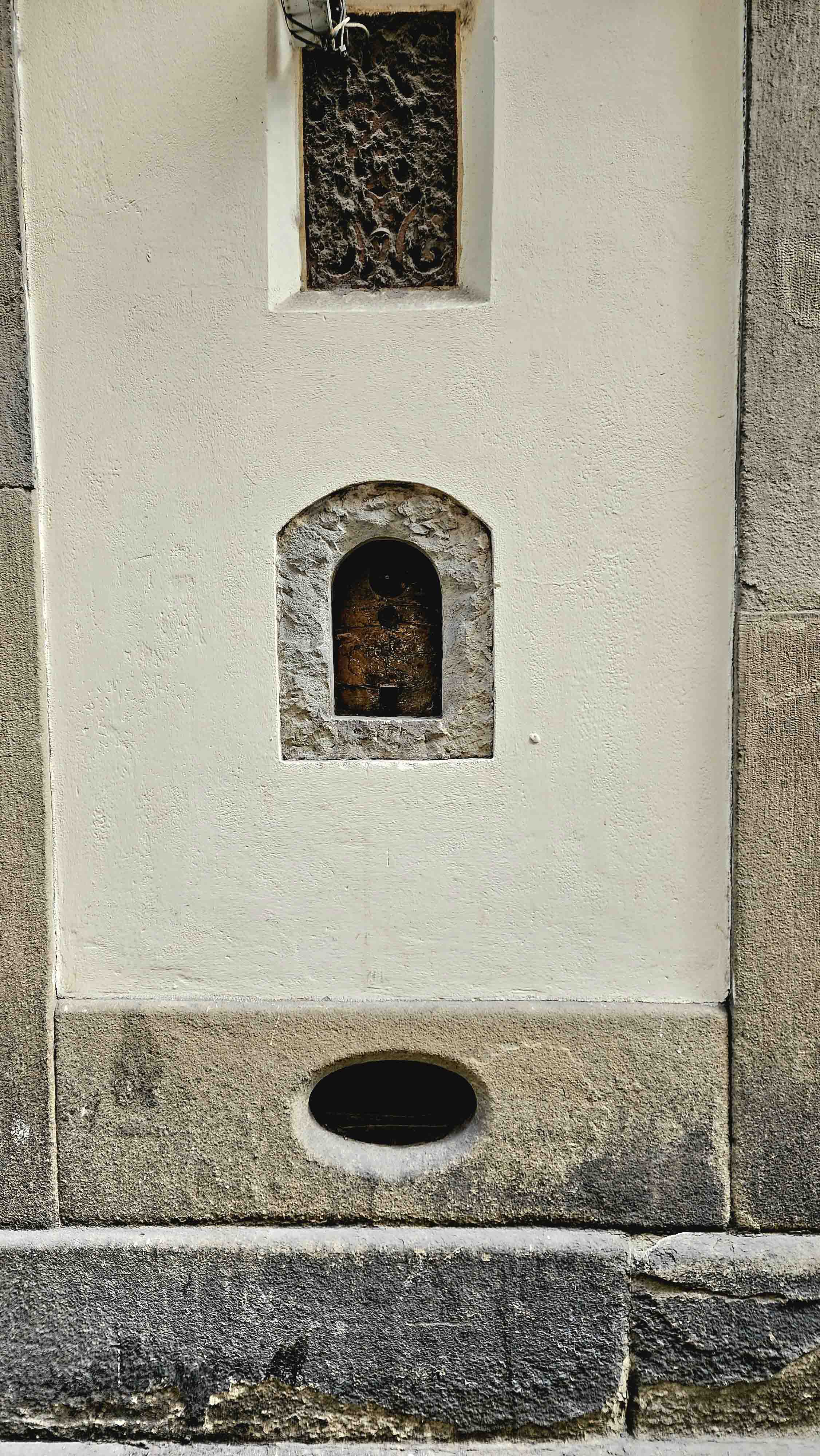
After some walking and history, we encountered our first wine window. Most wine windows about 12 inches high and 8 inches wide and have a dome shape.
After the Plague swept through Florence in 1634, scholar Francesco Rondinelli wrote about one of the Italian city’s coping mechanisms: tiny wine windows that allowed merchants to pass vino through a small hole in the wall to avoid direct contact with clients. Some of the remaining ones were used again during the pandemic to sell their products once again.
Today, there are almost 150 wine windows remaining in the city. However, the majority of these are walled/ bricked off and only a handful are in use as wine windows now.

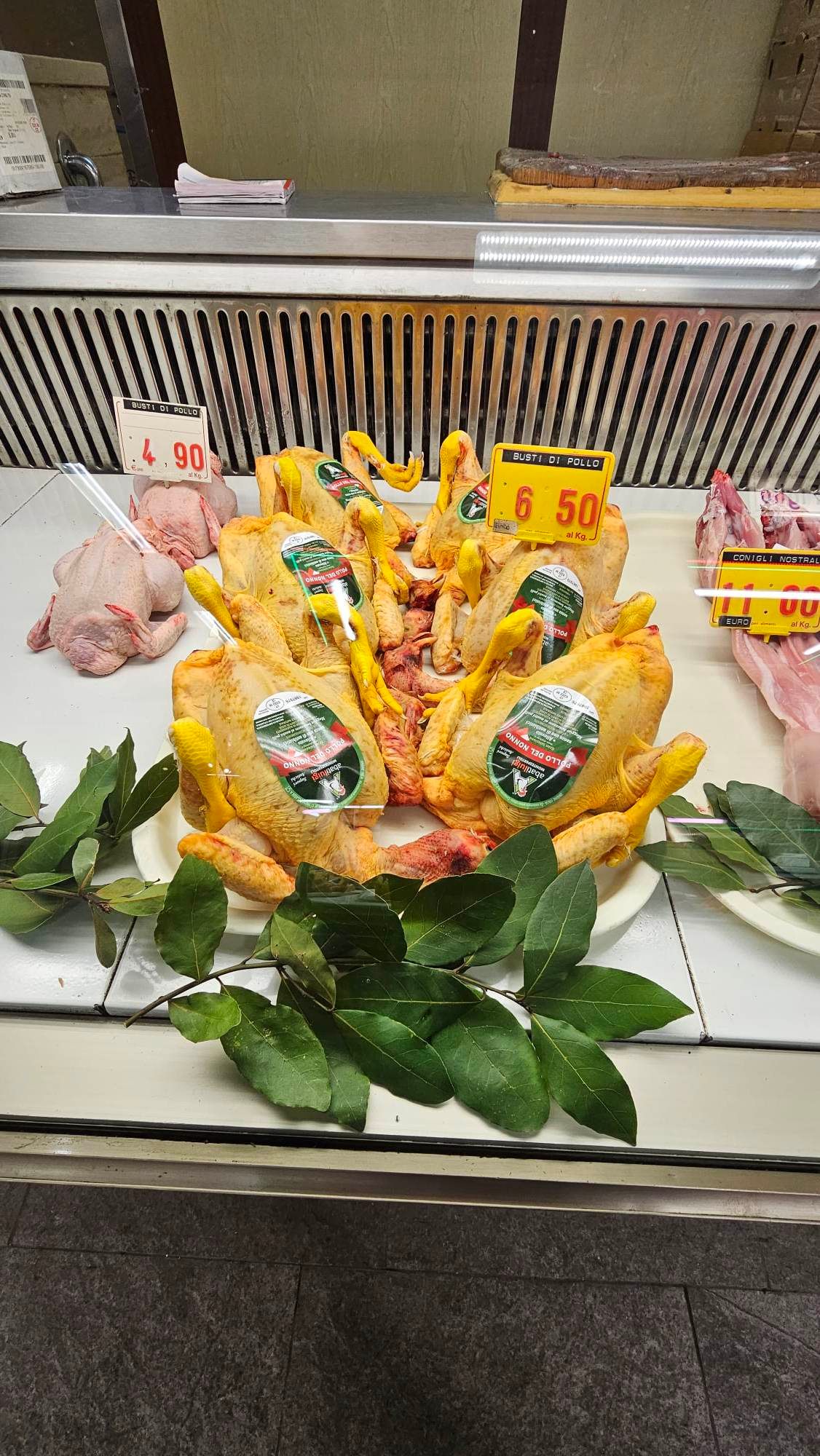
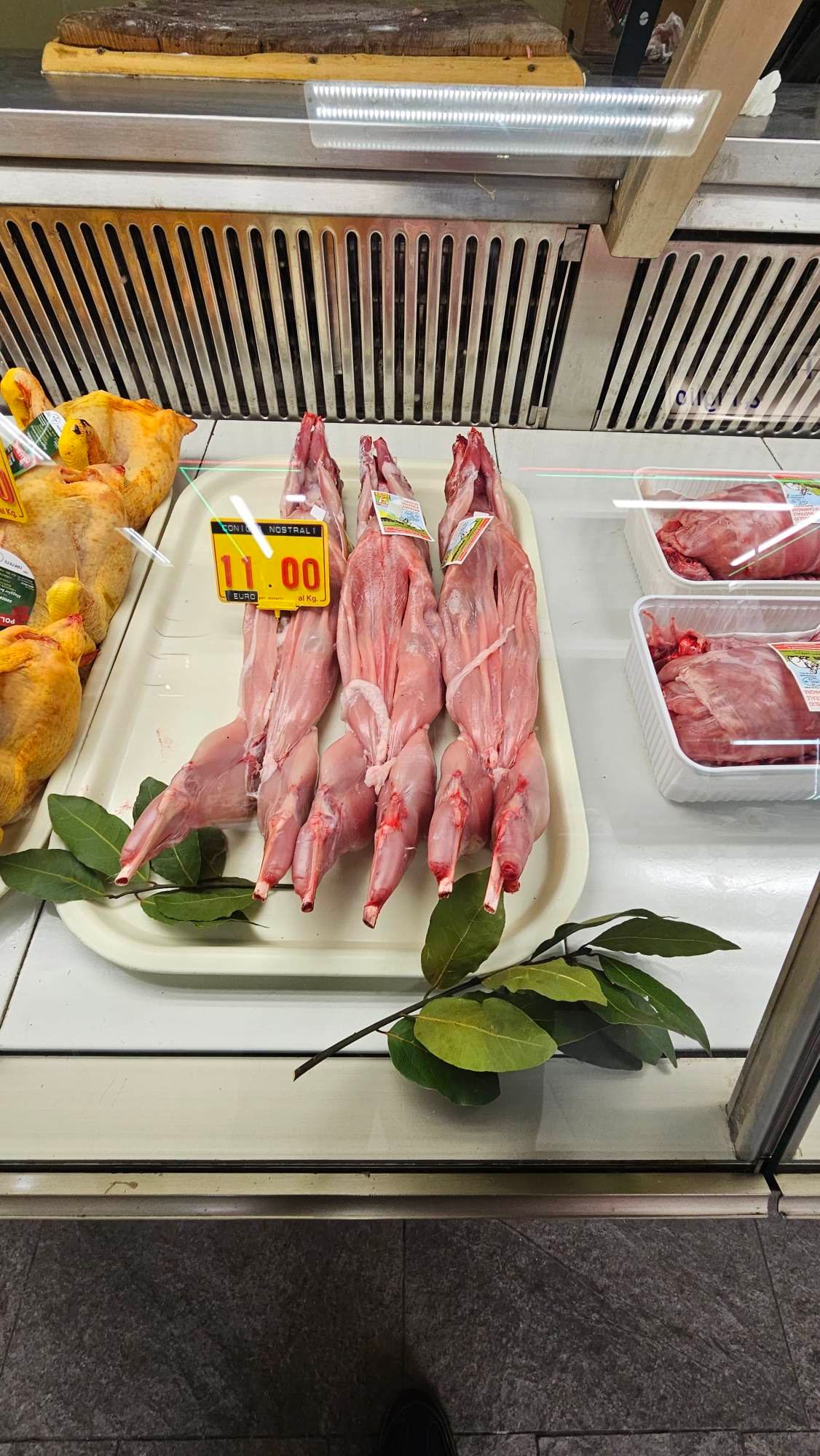
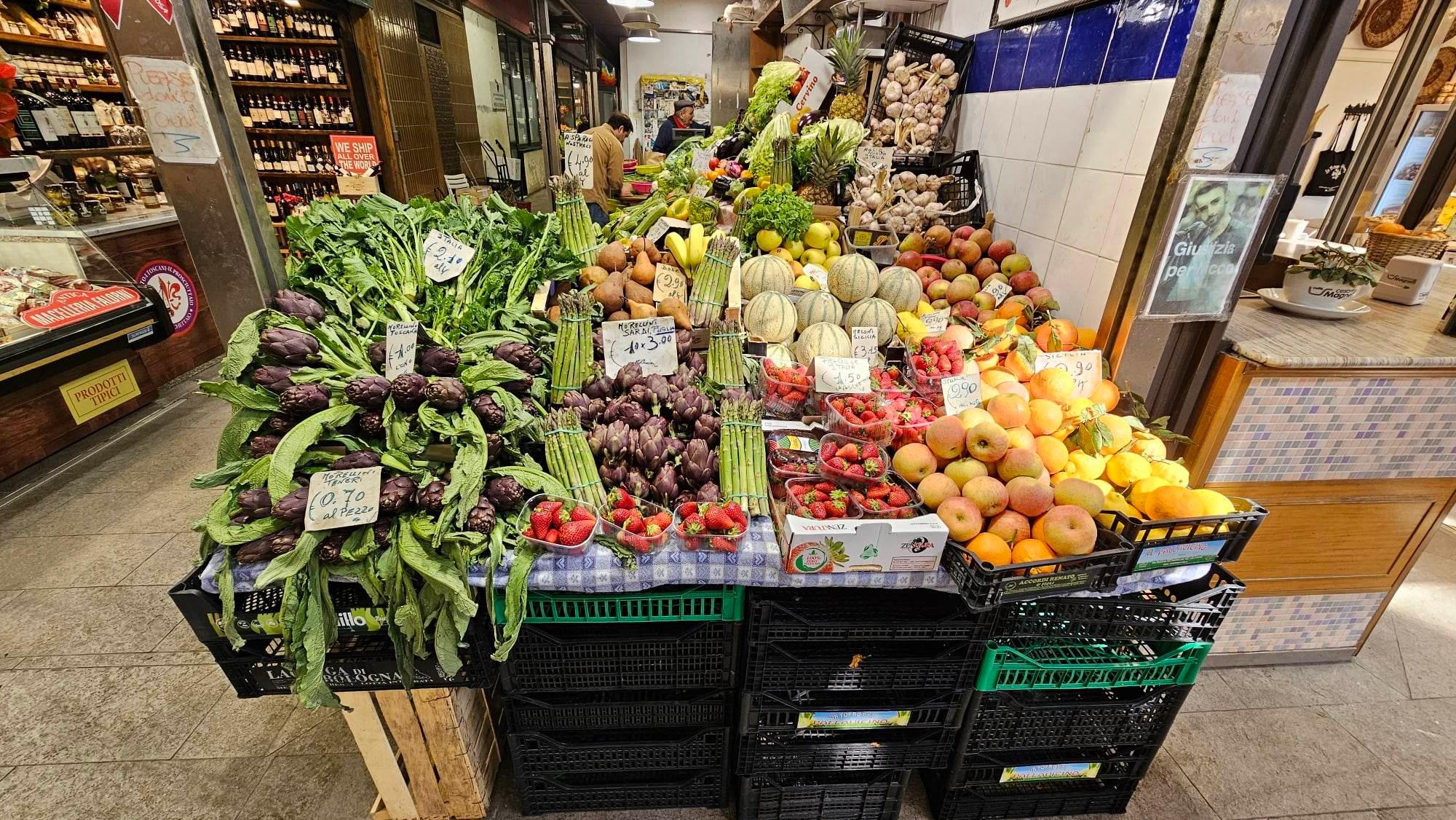
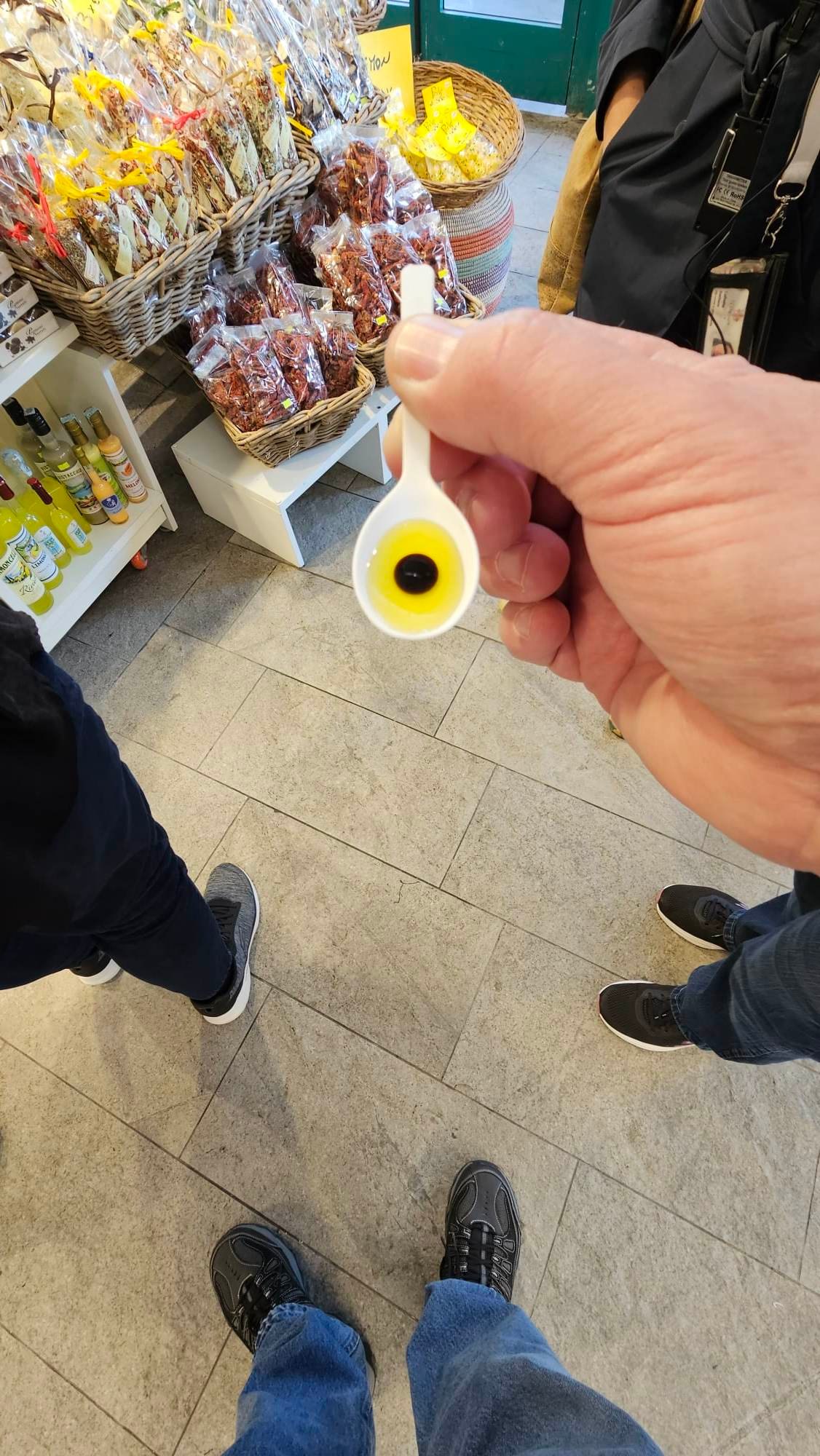
Then we went through a fantastic market area with everything you can think of from food to flowers, vendors of every kind. We would have loved to have more time to spend here.





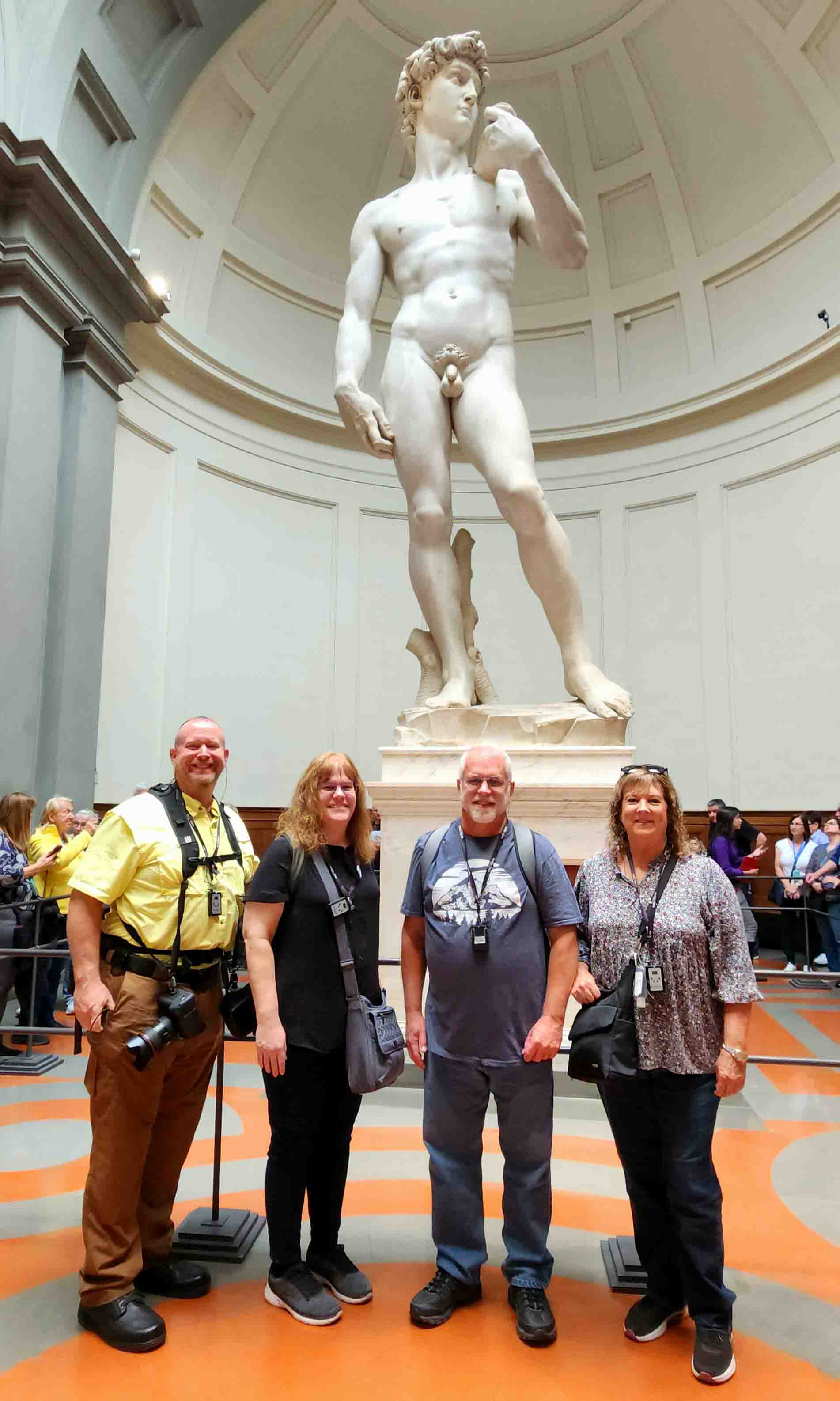
Our next stop was to see The David. The statue is at the Accademia Gallery It is truly a work of art, I’ll let you read as much as you’d like about it here.

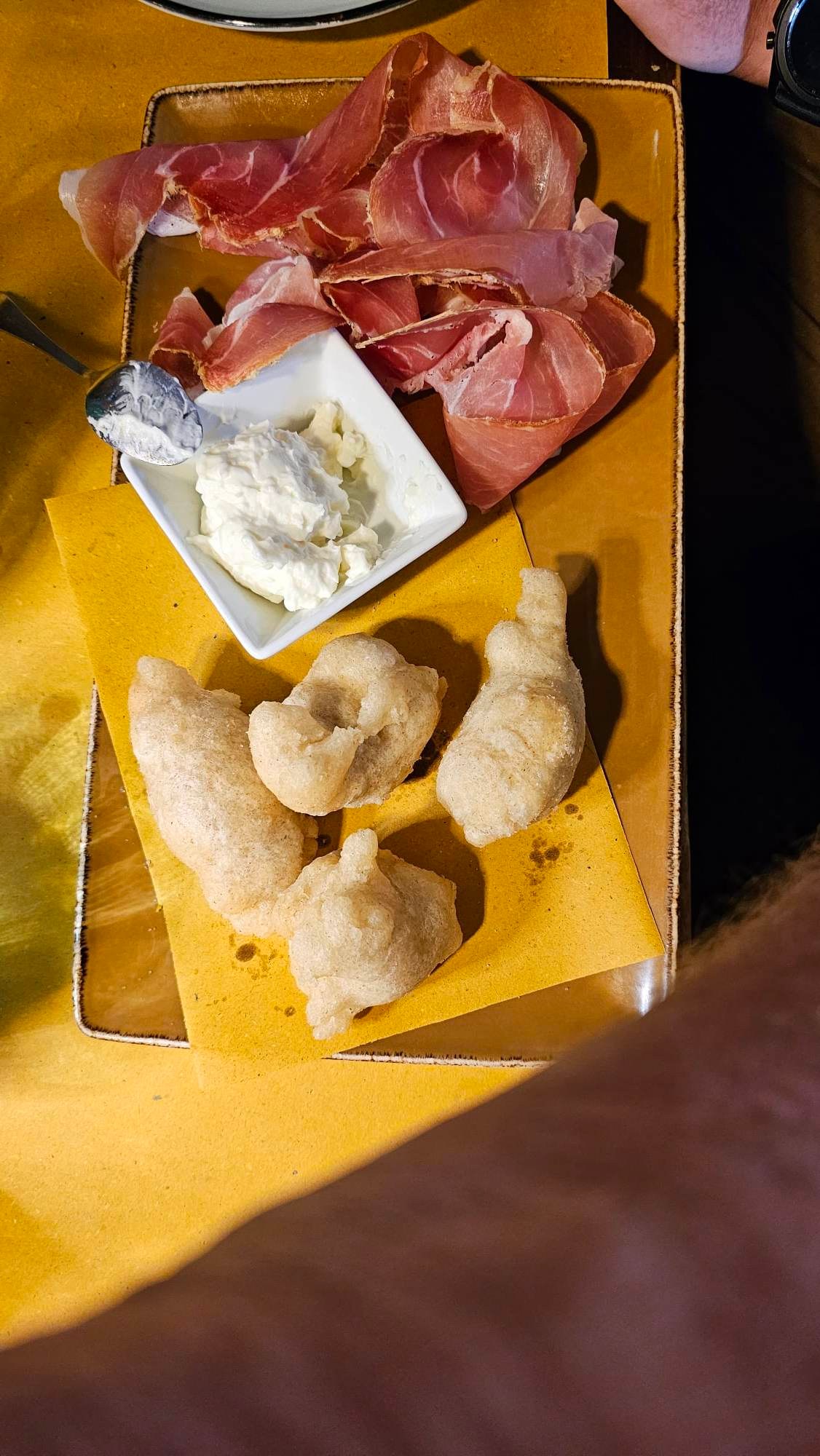
Lunch was AH-MAZING! Barbara chose a gem of a location for lunch and we all enjoyed our dishes immensely!



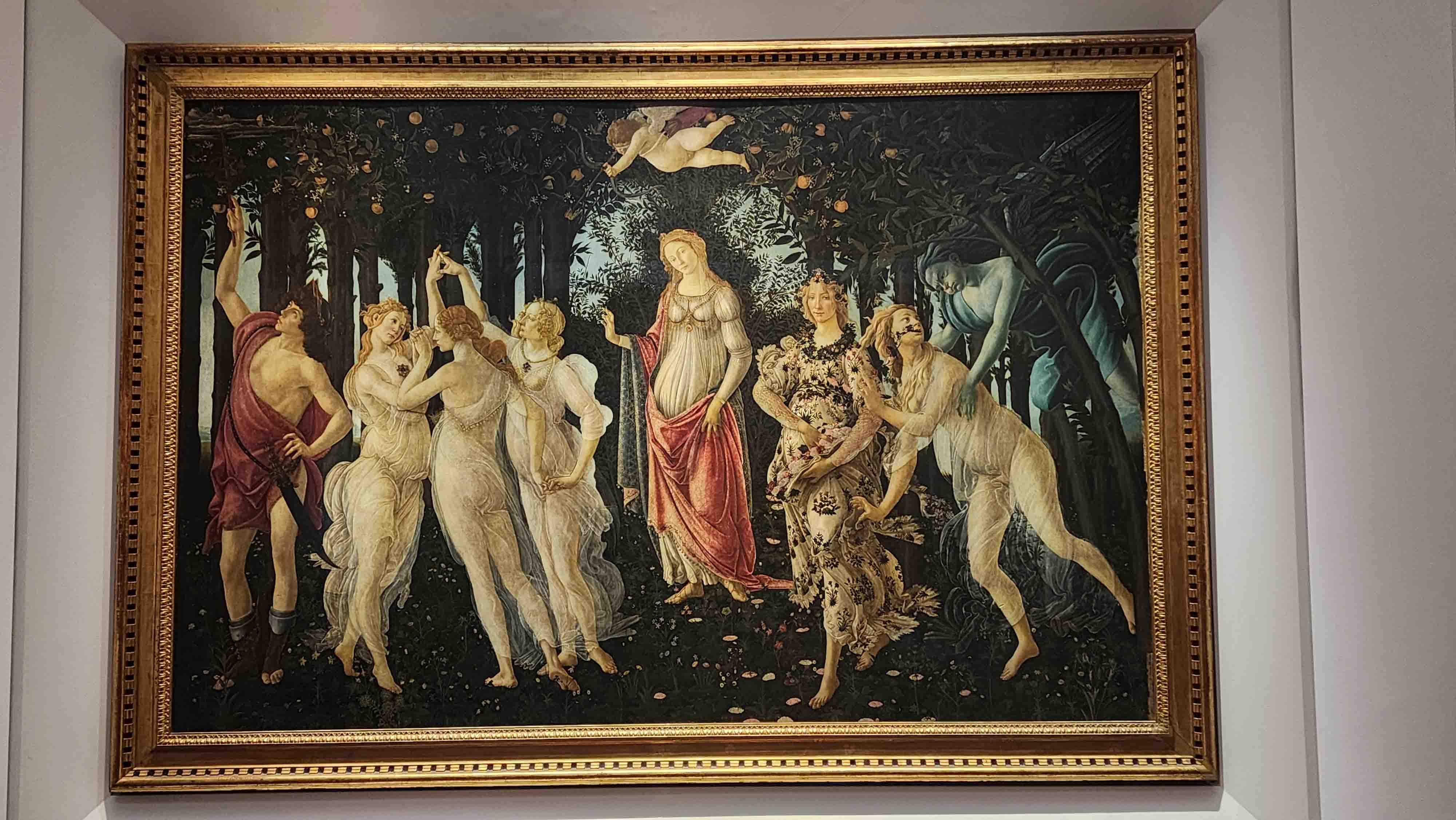
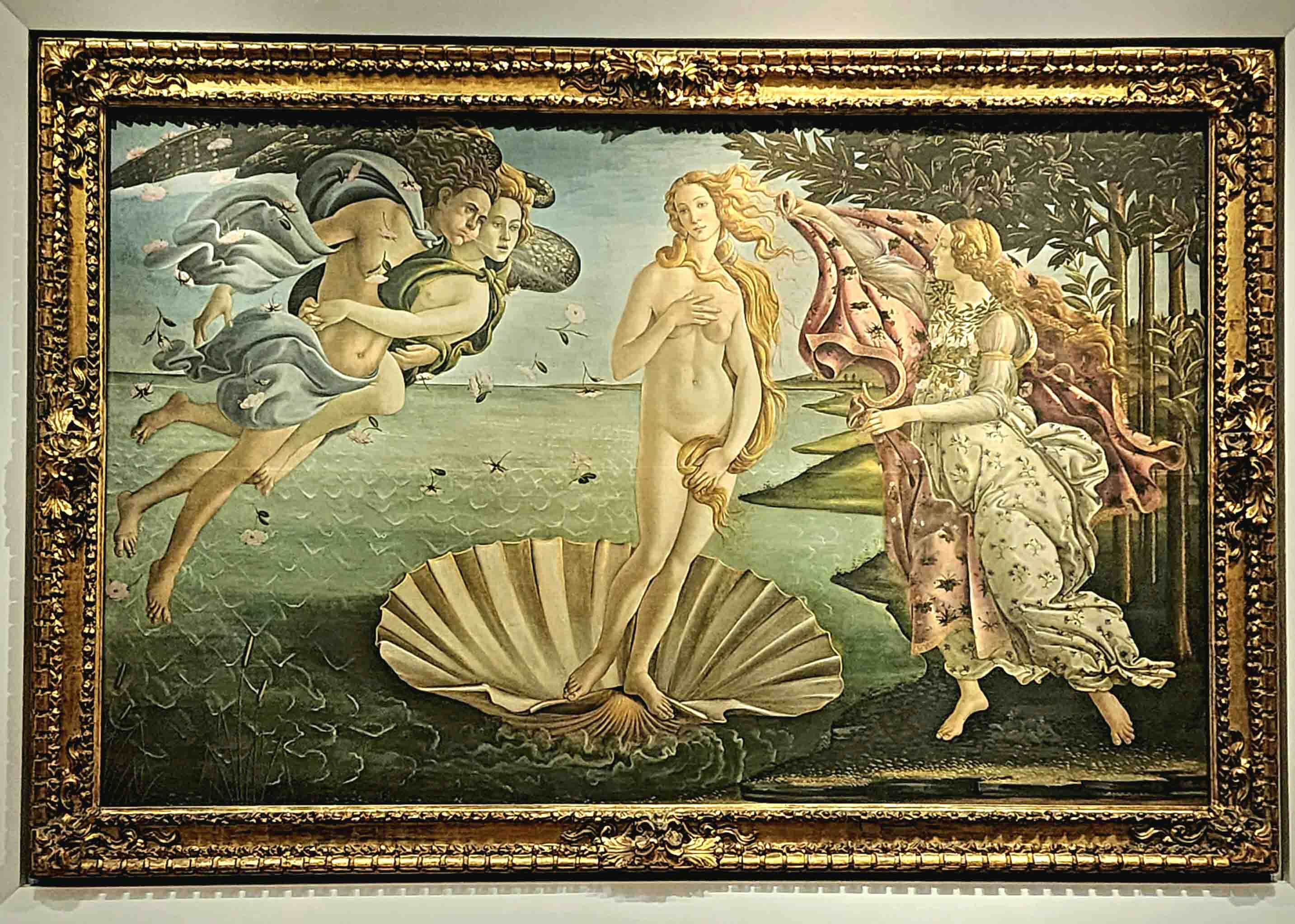
We were running late for our next stop, which was the Uffizi Gallery I should confess here that we probably did not appreciate what we saw today in regards to the art to the fullest. The David was impressive for sure, and it was amazing to see in person but several of us were fading pretty quickly after lunch.


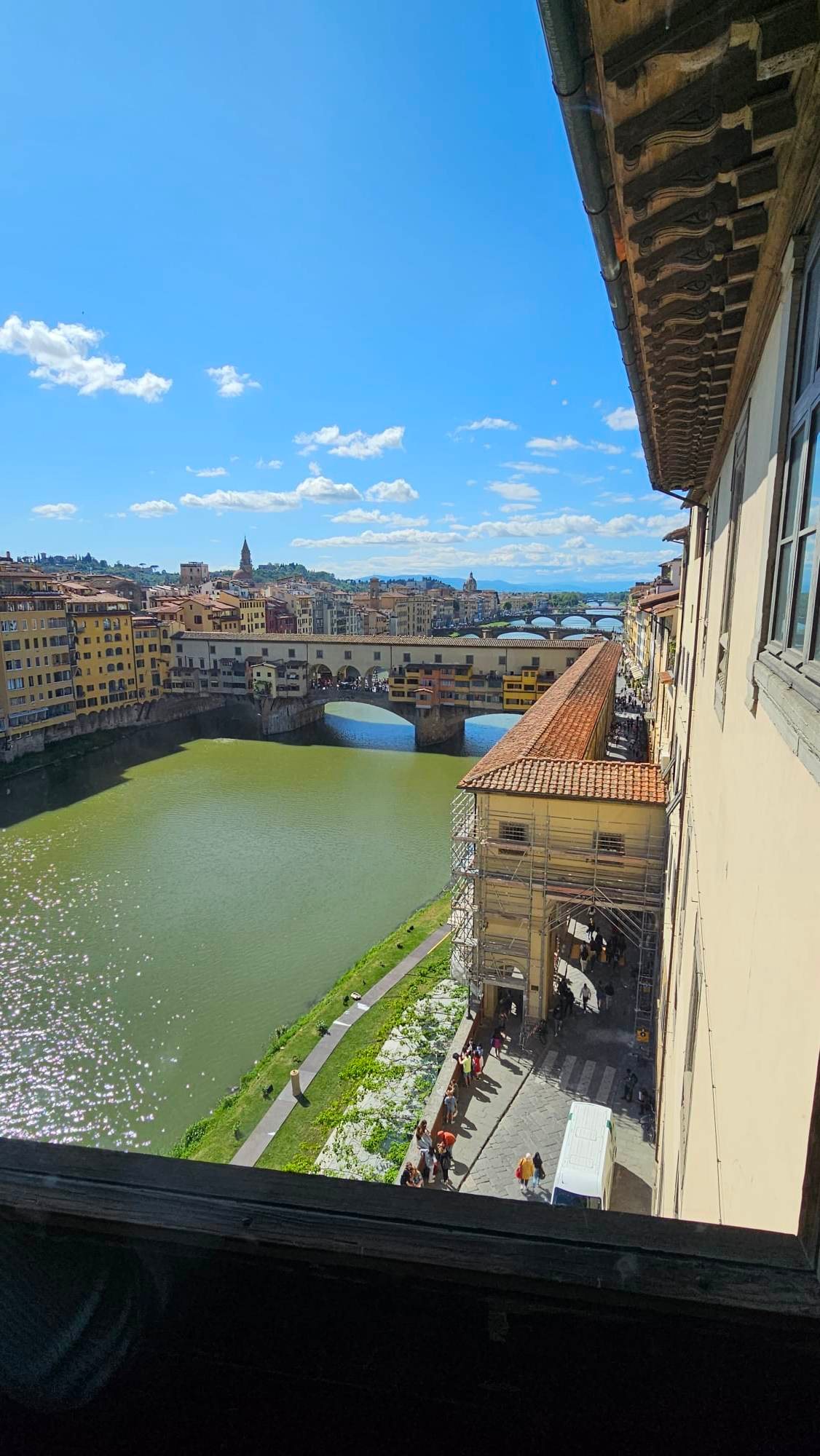
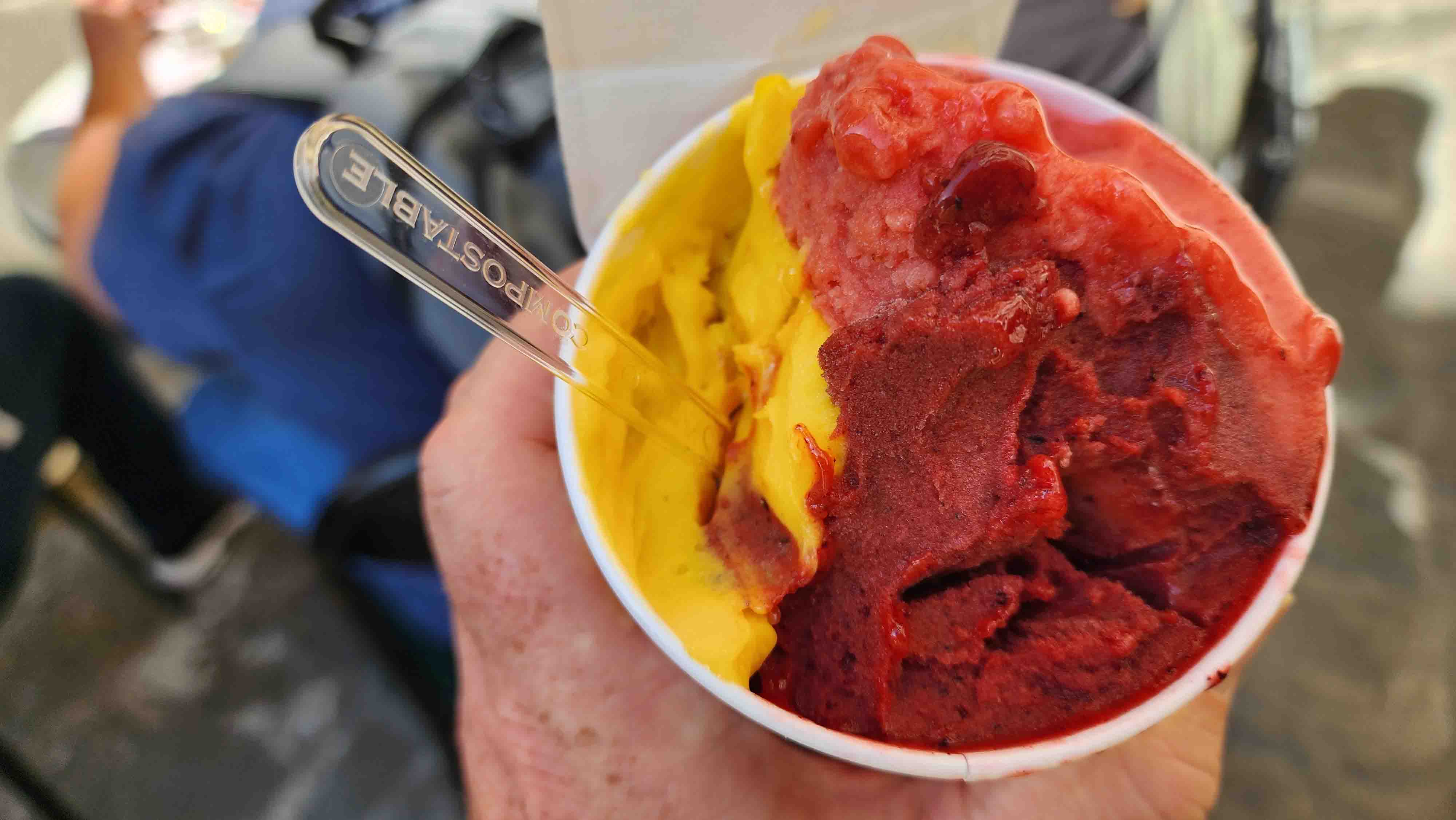
Our final stop of the tour was the Ponte Vecchio bridge (Italian: “Old Bridge”) the first segmental arch bridge built in the West, which crosses over the Arno River at Florence. This was the only bridge across the Arno in Florence until 1218. The current bridge was rebuilt after a flood in 1345. During World War II it was the only bridge across the Arno that the fleeing Germans did not destroy. Fortunately, there was a gelato stand right near the bridge photo opp!

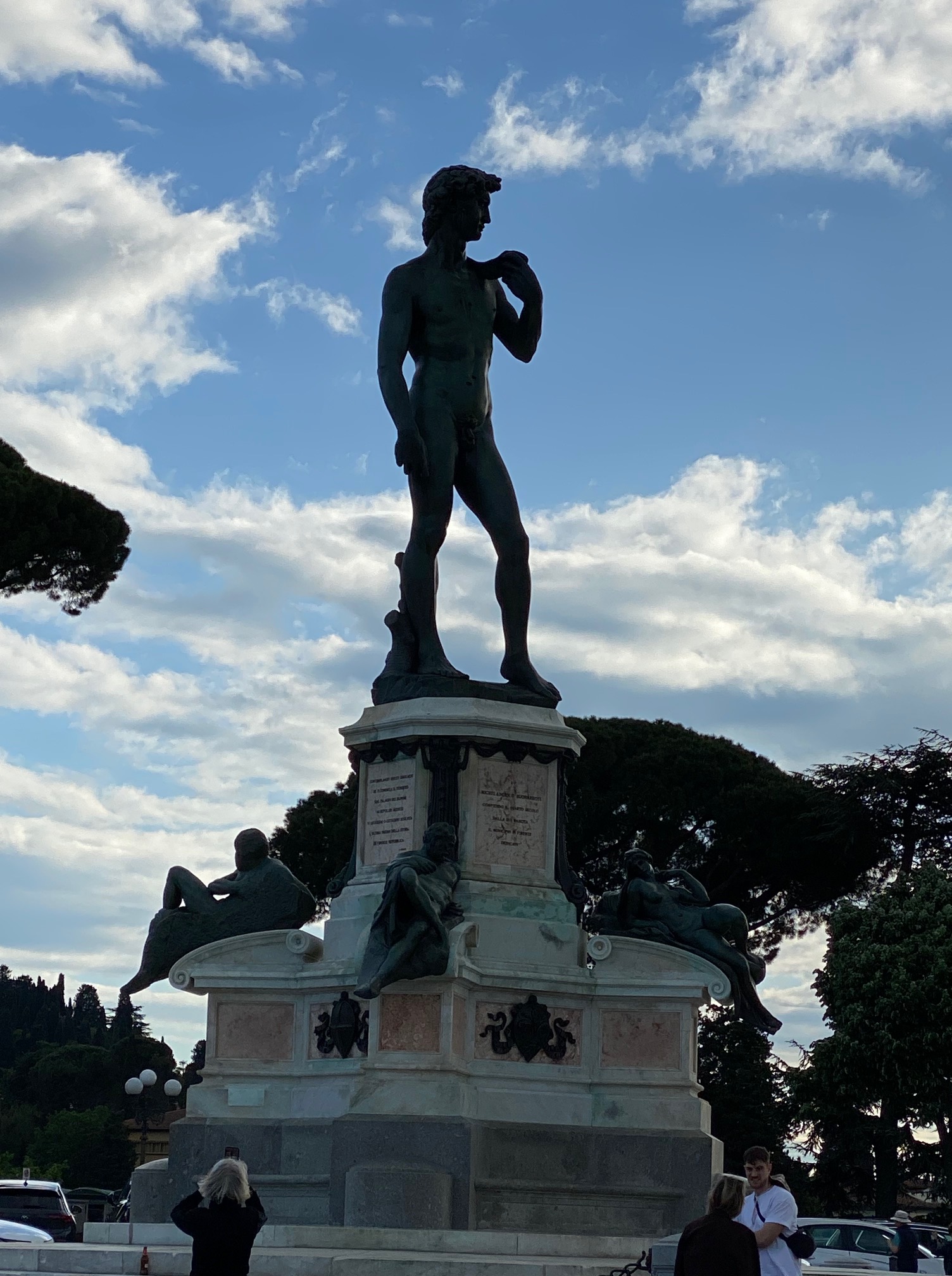
Before departing from Barbara, she found us a taxi and actually rode with us up to the overlook above Florence as we had a some time before our dinner reservation at 7:30 pm. This is the Piazzale Michelangelo square and this is where you will find one of the replicas of The David.


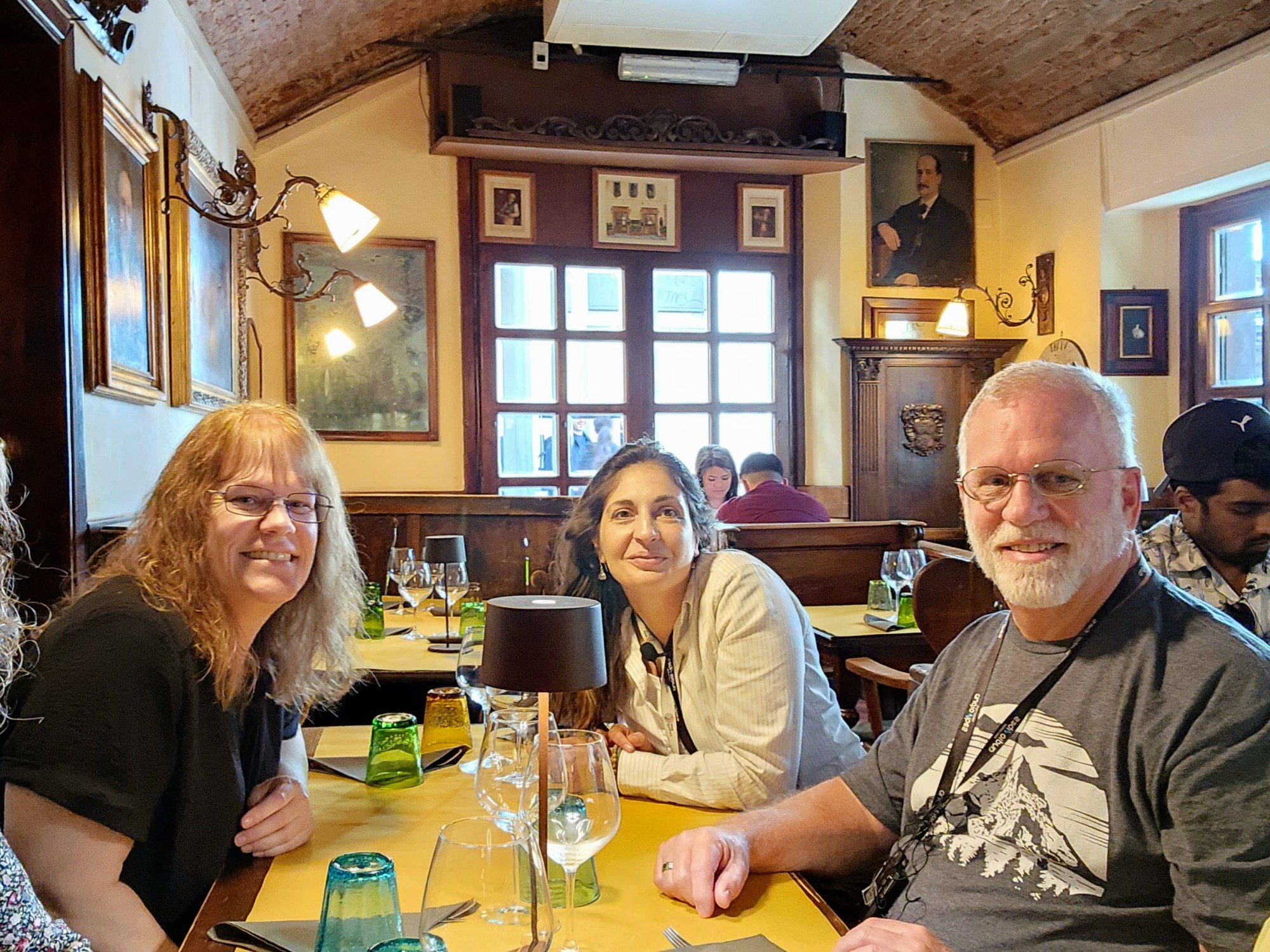
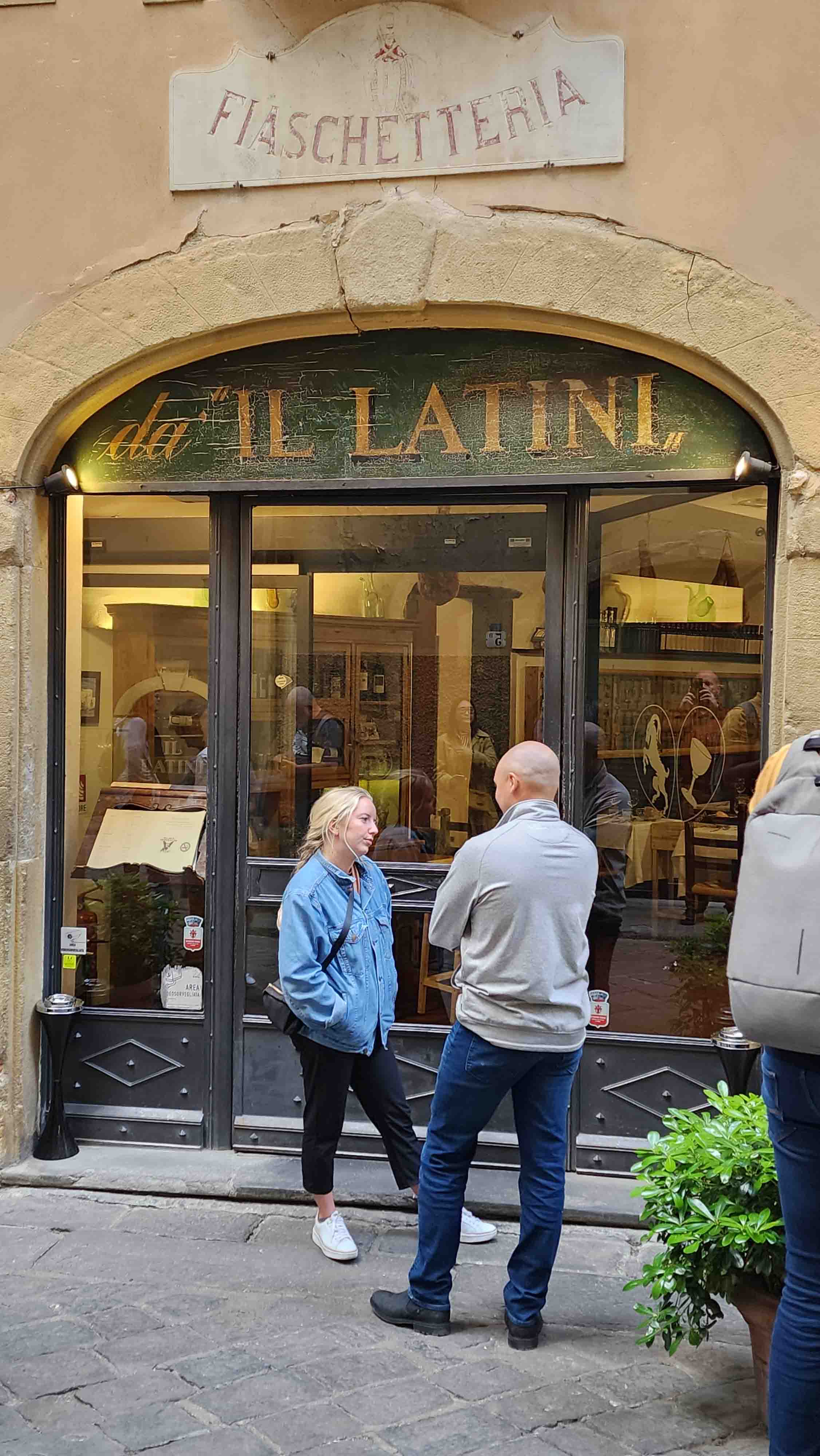
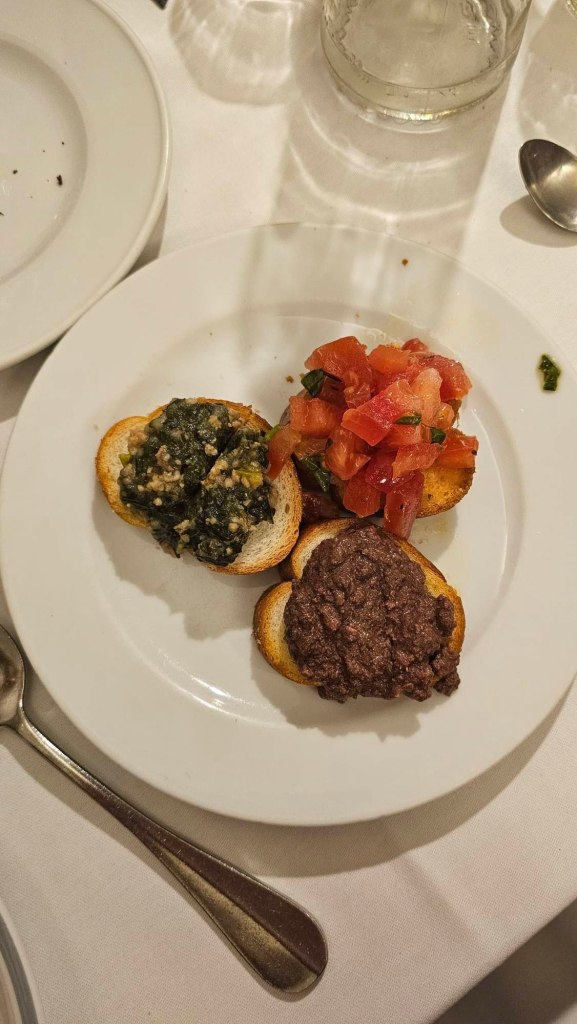
Our dinner tonight was at Il Latini, our first Michelin Star restaurant. L.J. had made reservations mid-to late April as they only open up for them a few weeks prior to the date you want. There was a line when we arrived (before opening) and several people did not have reservations so they took those of us with reservations in first and then seated as many others as they could.
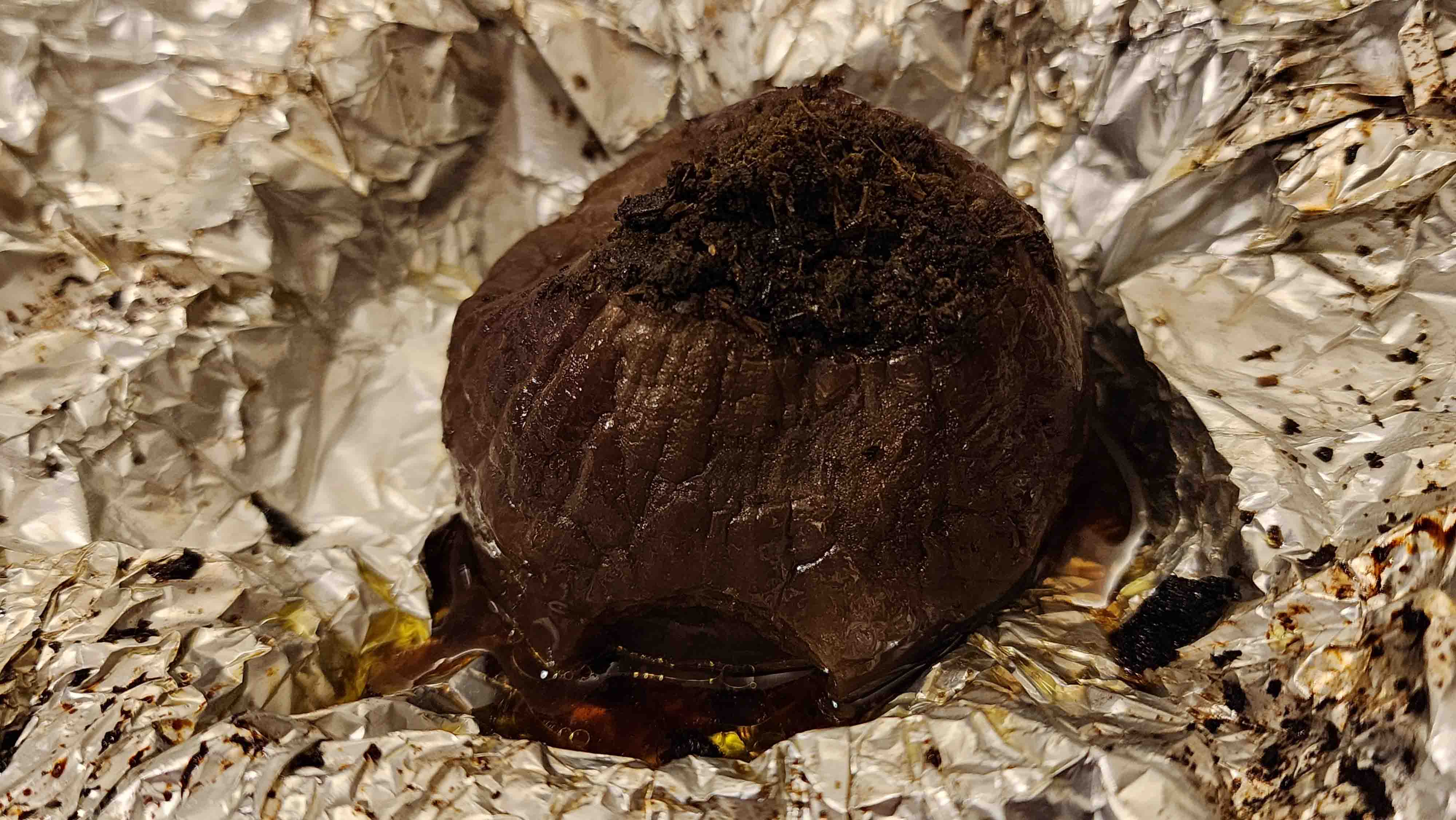

The famous Florentine steak is no ordinary steak.
Traditionally, the meat for comes from an ancient breed of Tuscan cattle, called the Chianina. This breed of cattle is known for their incredibly flavorful meat.
To highlight the flavor of the meat, the steak is seasoned very simply, just with a little salt and pepper.
In addition to being steak from a specific breed of cattle, this steak is also a very specific cut made from a thick cut of porterhouse steak. How thick? Instead of inches, Tuscans measure their steak in “fingers”, and a good fiorentina will be 3-4 fingers thick.
It has to weight no less than 450 grams as well. It’s a hefty steak, one that is meant to serve more than one person obviously. And they don’t ask you how it is cooked, it is served rare

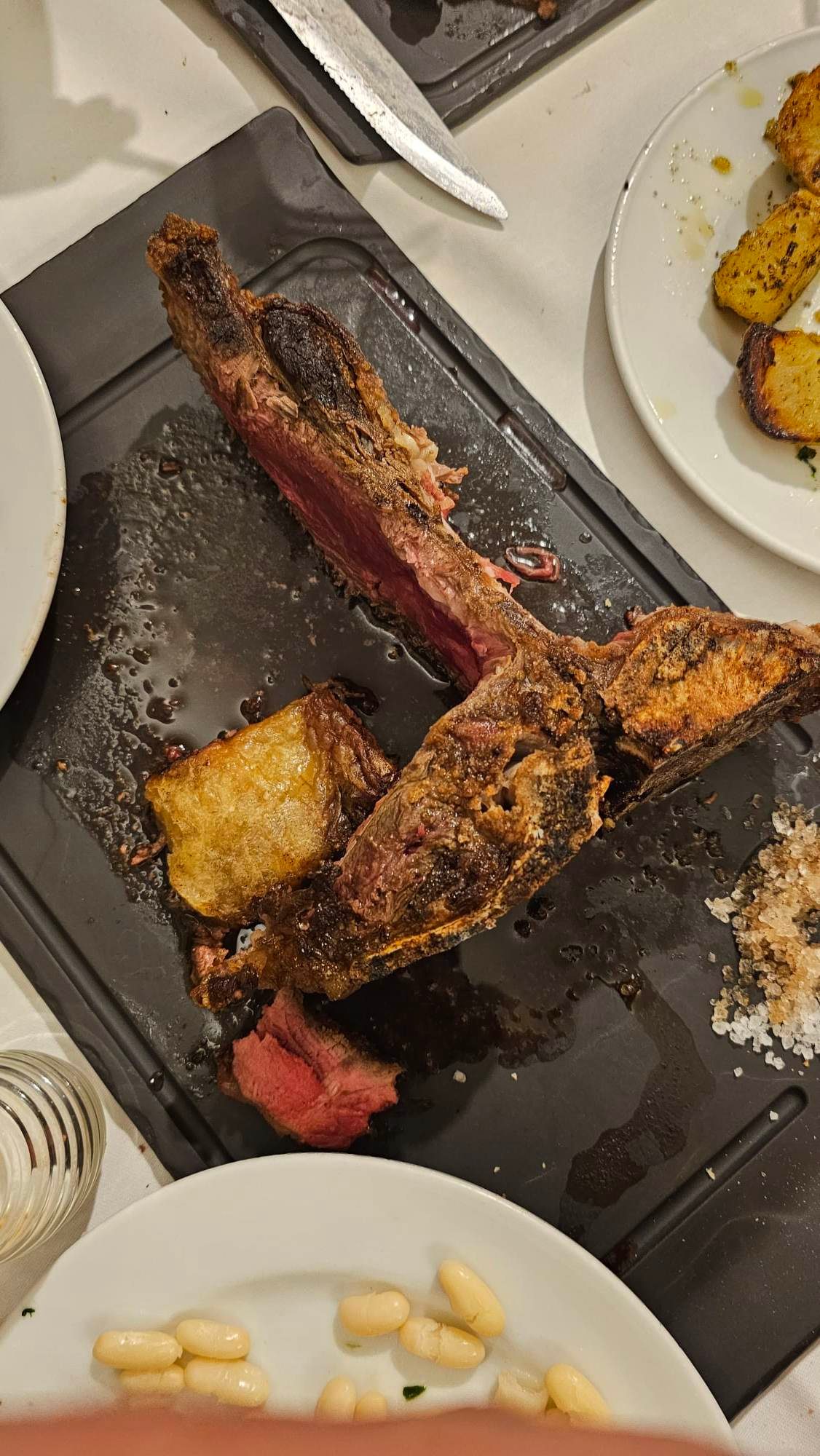

Side dishes: roasted potatoes, spinach (not yet pictured), grilled vegetables, white beans, Uccelletto’s beans


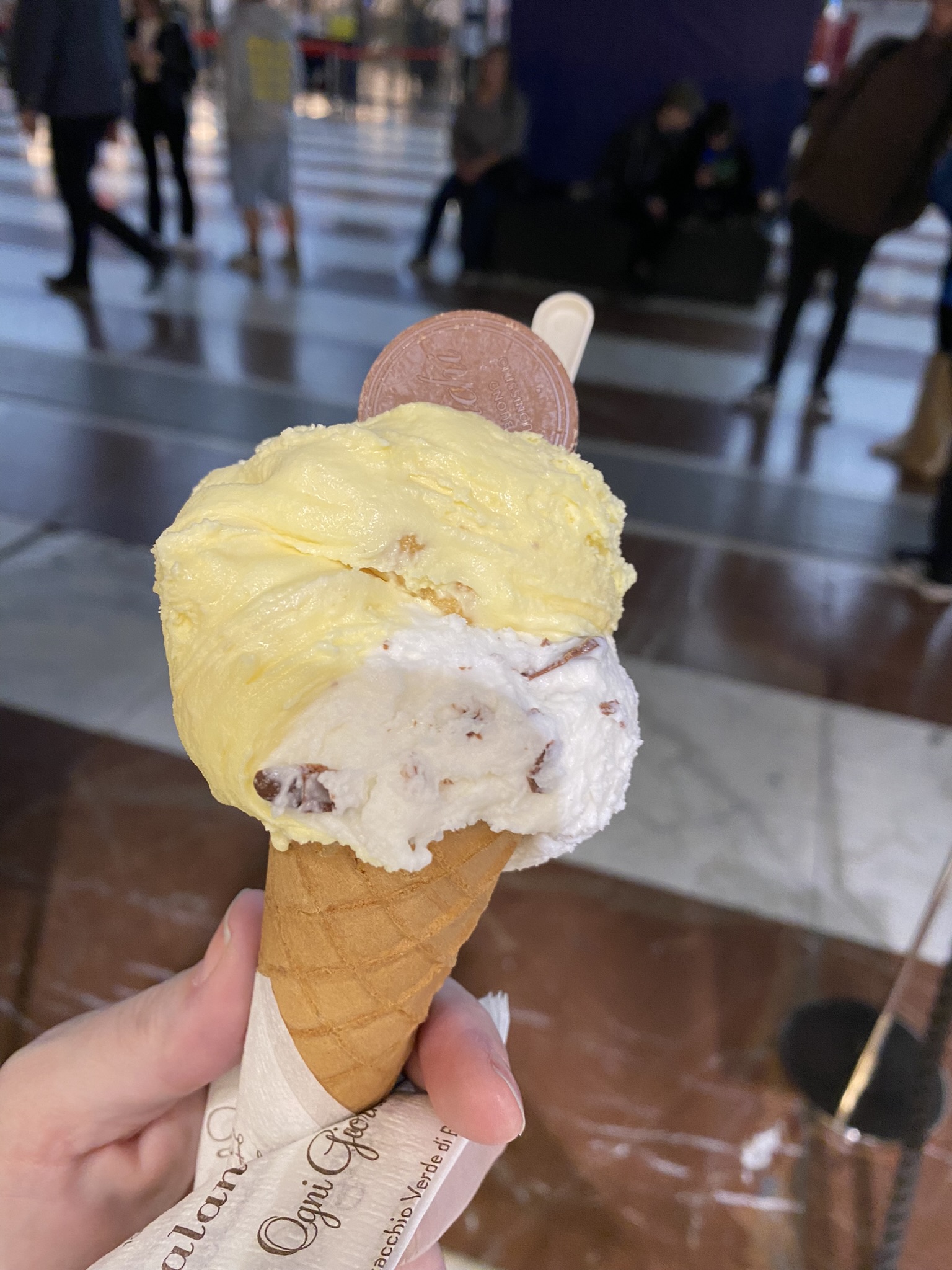
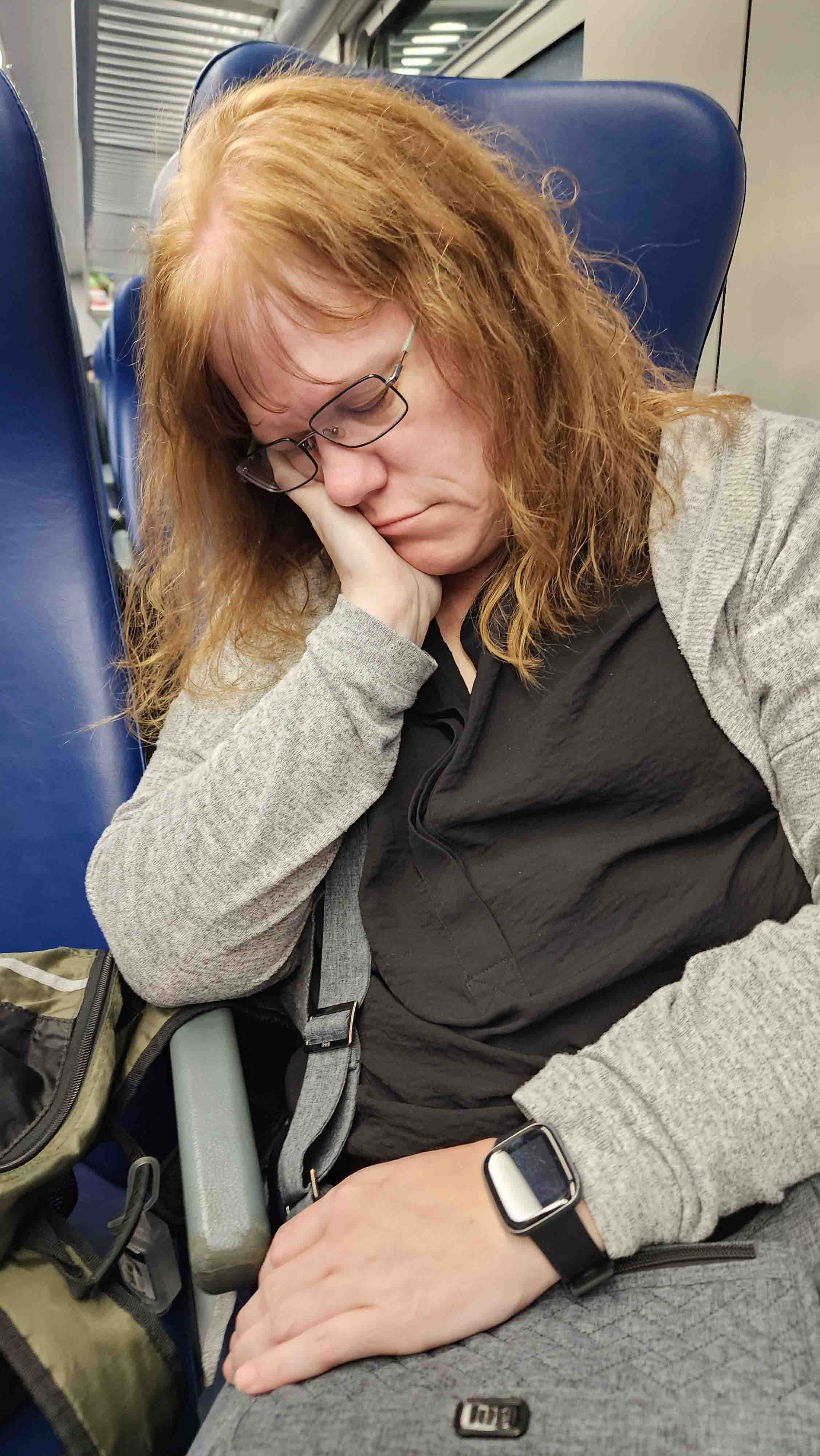
I know you’d be disappointed if we didn’t manage to get in one more gelato stop before the end of the day. We were the last people served at the gelateria at the train station before they closed. LJ had bought tickets for the 22:08 pm train, arriving back in Pontassieve at 22:33 (or 10:33 for us West Virginians). Some of the group were a little tired on the train back. Twas a great day!




I love these!
Get Outlook for iOShttps://aka.ms/o0ukef ________________________________
LikeLike